

 English
 русский
 Français
 عربى
عربى Español


PVC Flex Banner Suppliers
Widely used in commercial advertising, exhibition display and other fields
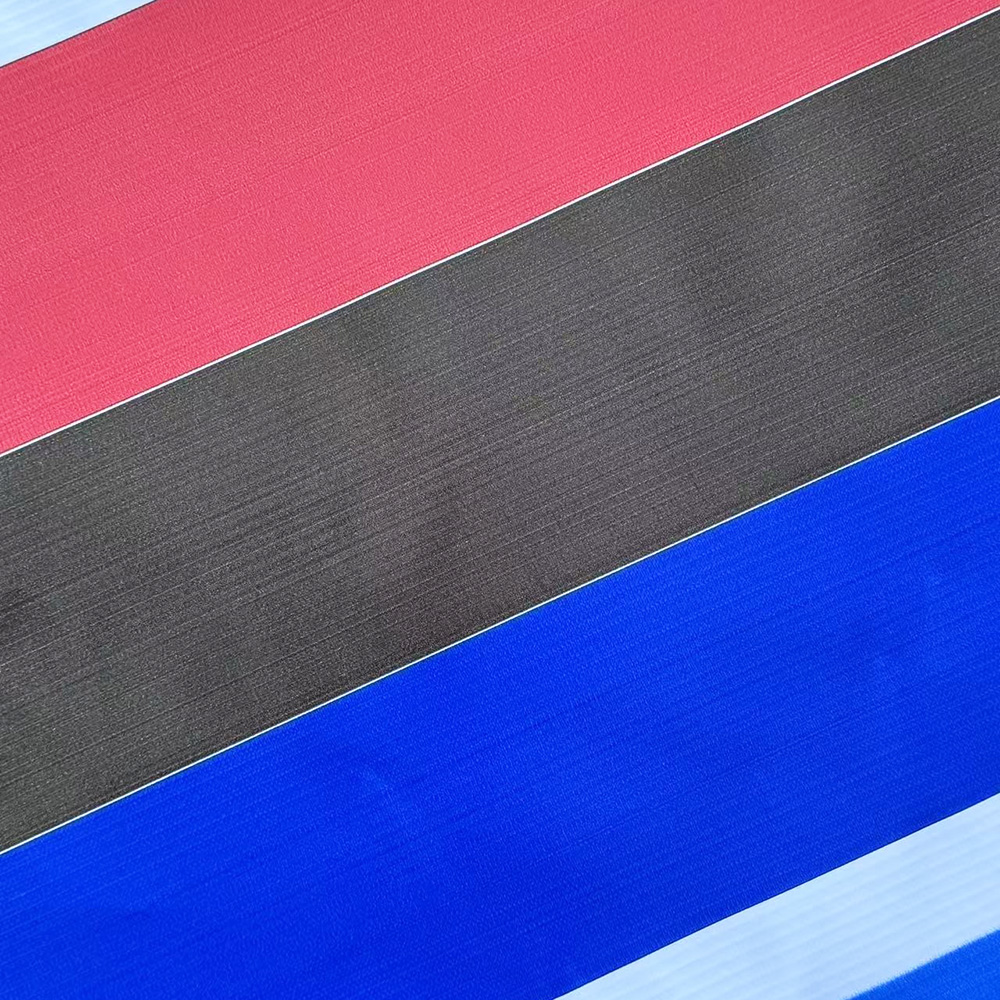
420gsm 300Dx500D 18x12 Industrial Color Stripe Fabric

510gsm 500Dx500D 9x9 High Resolution Poster Banner

440gsm 500Dx500D 9x9 PVC Roll-Up Front Light Banner
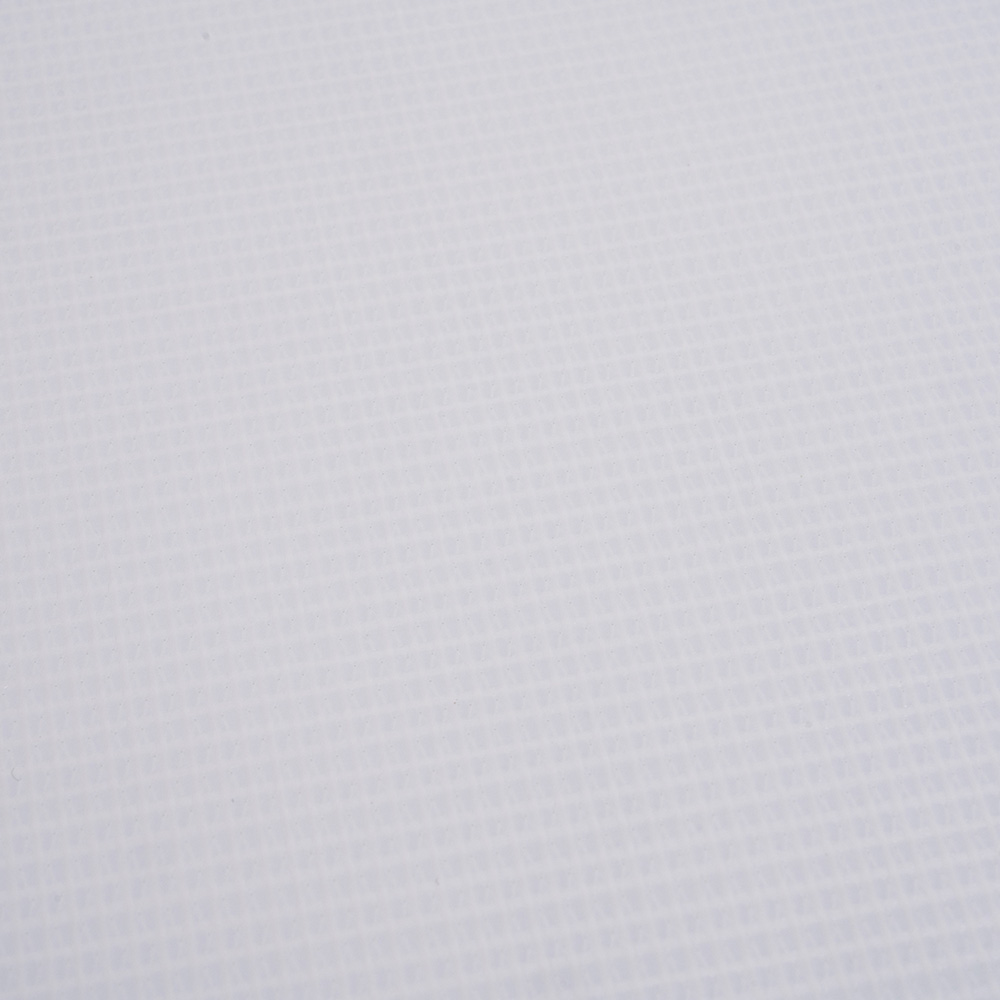
380gsm 500Dx500D 9x9 Reflective Honeycomb Printable Banner
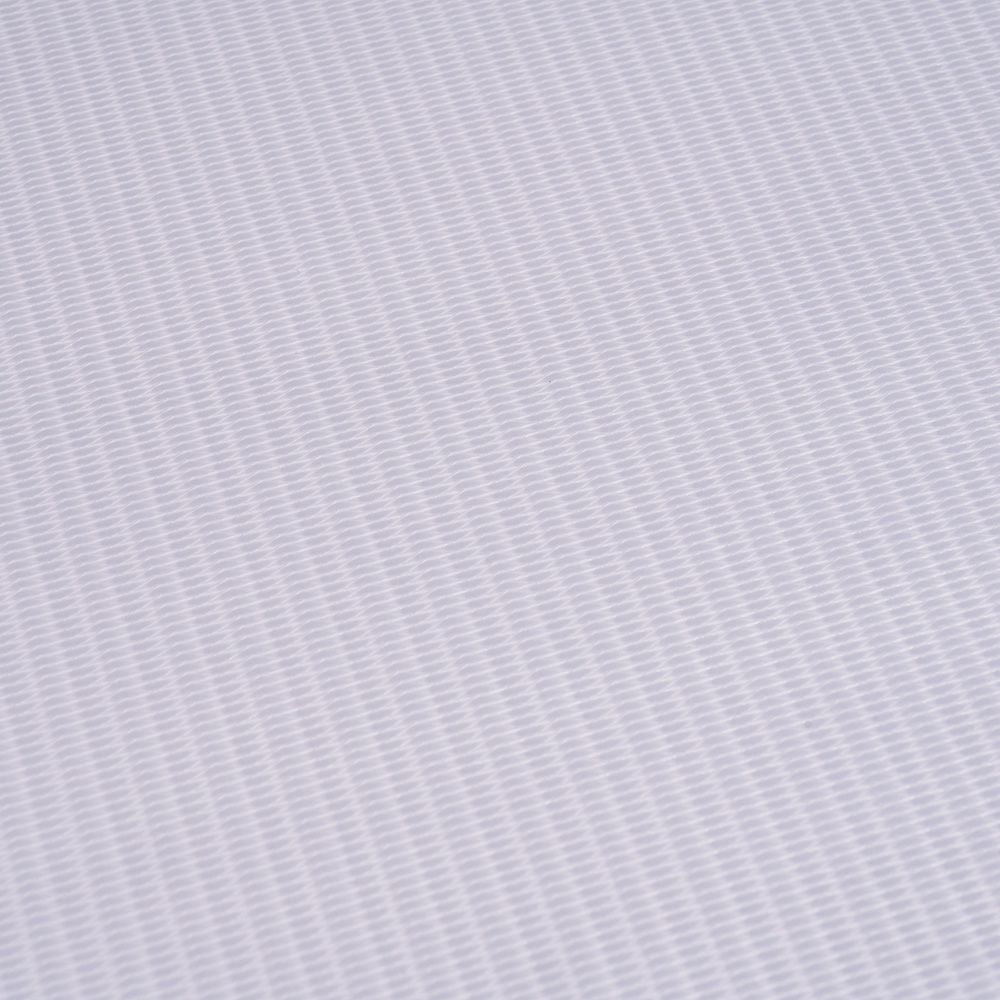
510gsm 300Dx500D 18x12 Outdoor Bus Shelter Banner
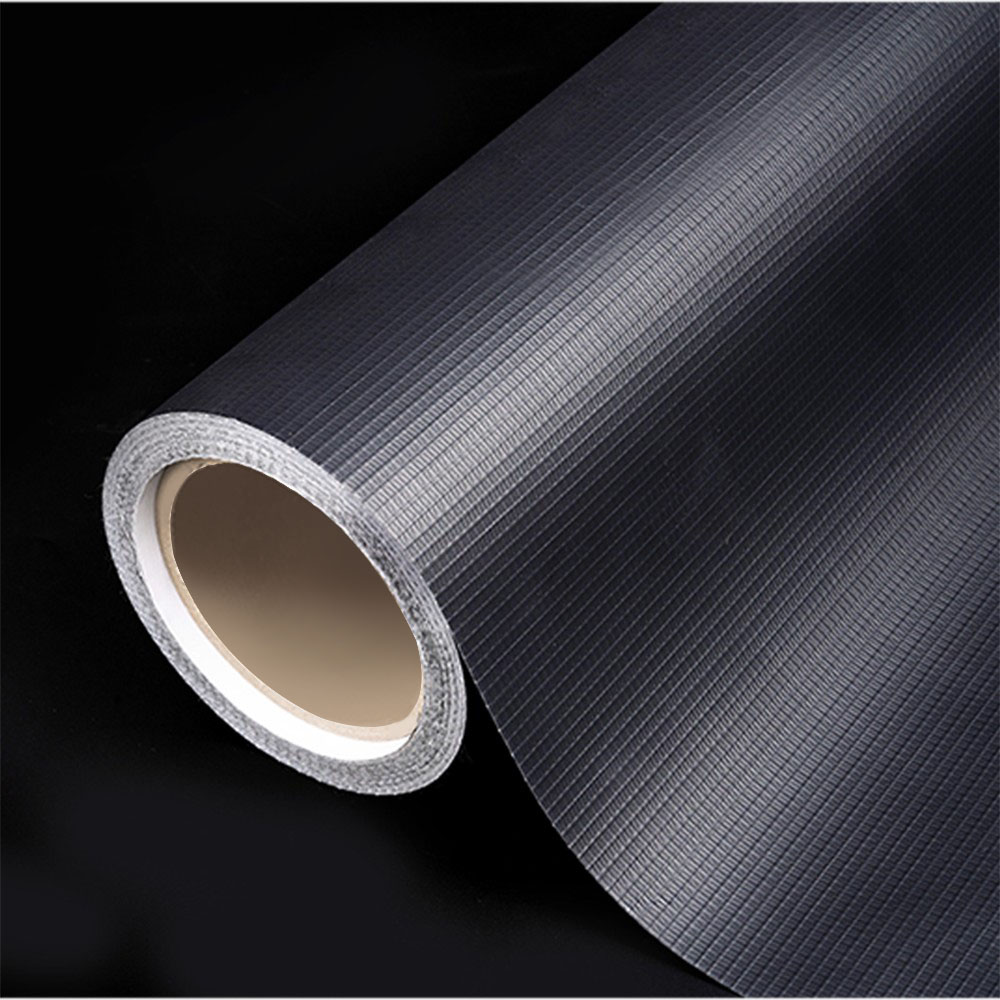
510gsm 500Dx500D 9x9 Black Backside Blockout Banner
440gsm 500Dx500D 9x9 Gray Back Blockout Banner
550gsm 300Dx500D 18x12PVC Advertising Light Box Cloth
510gsm 300Dx500D 18x12 Indoor Display Flexible Banner
340gsm 300D×500D 18×12 Indoor Promotional Sign Banner
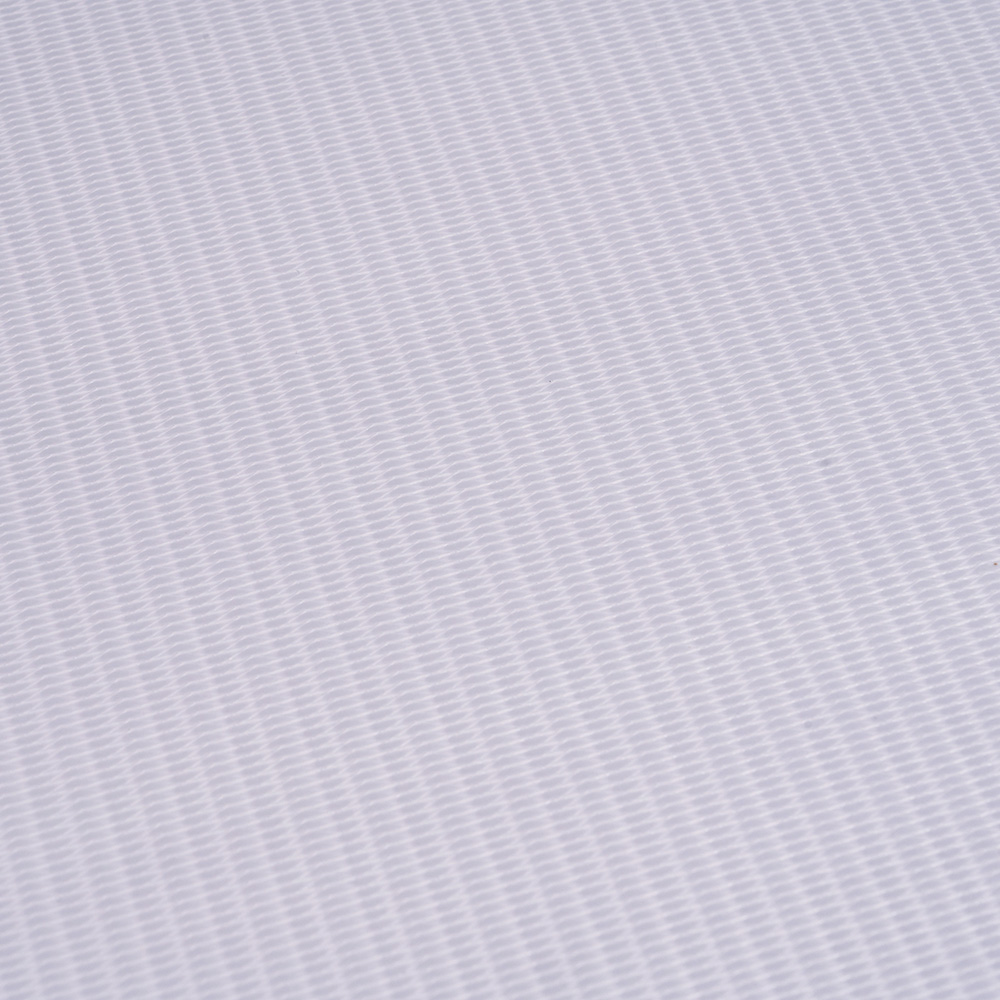
420gsm 300D×500D 18×12 Large Format Outdoor Lightbox Fabric
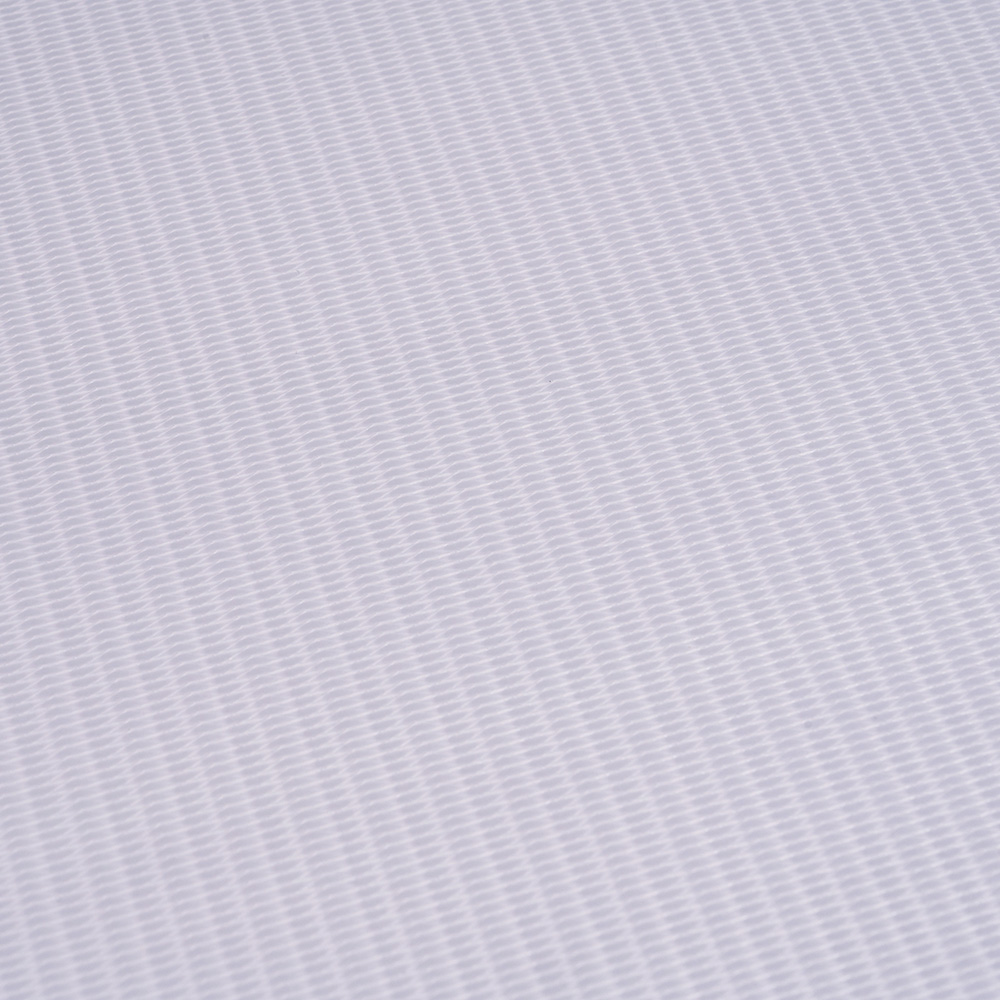
400gsm 300D×500D 18×12 Airport Lightbox Banner Fabric
About Us
Jiangyin YUYUAN Plasticizing Co., Ltd.
Jiangyin YUYUAN Plasticizing Co., Ltd. has specialized in developing and manufacturing advertising materials—particularly PVC flex banners, tarpaulin, coated banners—for over 20 years. Branded as "YUYUAN", we dedicate ourselves to banner production and innovation, achieving an annual output of 300 million square meters while serving global customers. Our banners suit various applications, with available widths ranging from 0.5 to 5.2 meters. As China Wholesale PVC Flex Banner Suppliers and OEM/ODM Flex Banner Raw Material Factory, We also offer customized production solutions tailored to specific requirements.
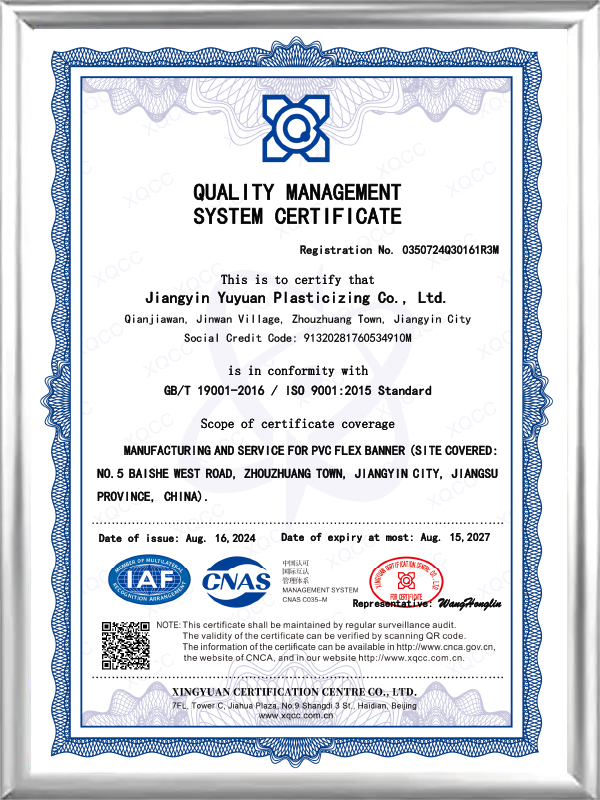
YUYUAN holds ISO 9001 Quality Management System Certification, underscoring our commitment to excellence. At all times, we uphold the superior quality of our products—guaranteeing stable ink absorption, fast drying, excellent weather resistance, robust aging resistance, and so on. With our exceptional product quality recognized by multiple prestigious awards and highly praised by clients worldwide, we have successfully expanded in global export markets. We are now excited to offer our professional customized banner solutions and look forward to building a trusted partnership with you.
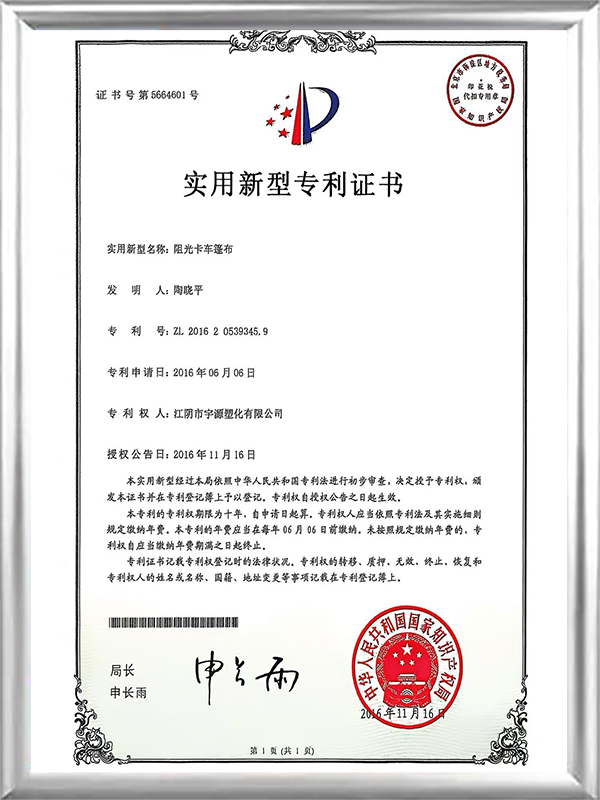
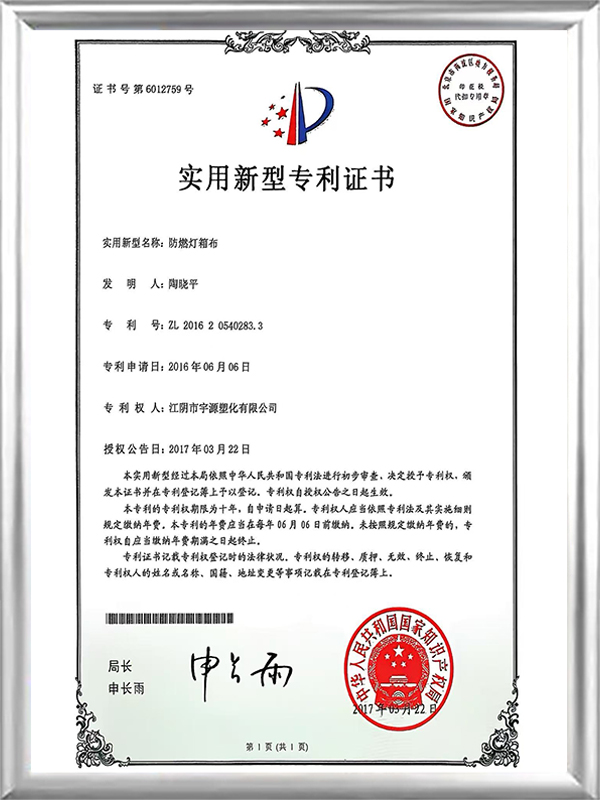
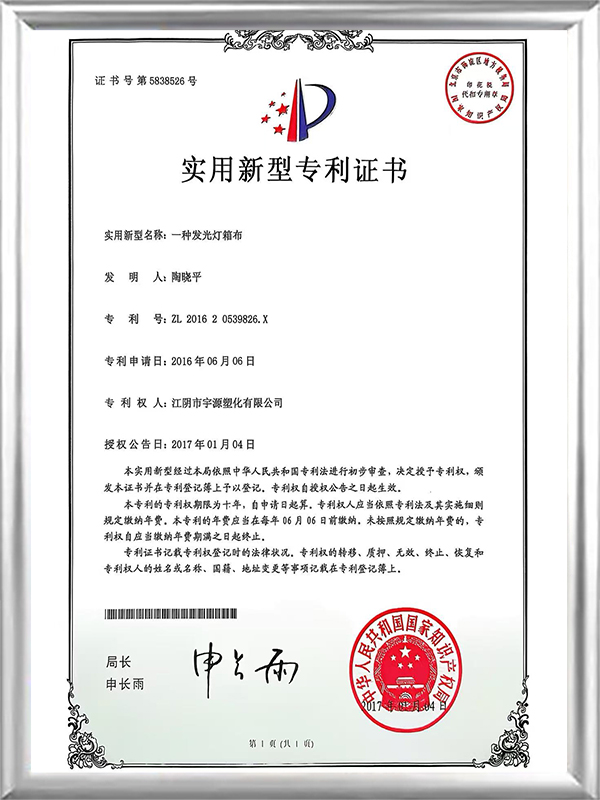
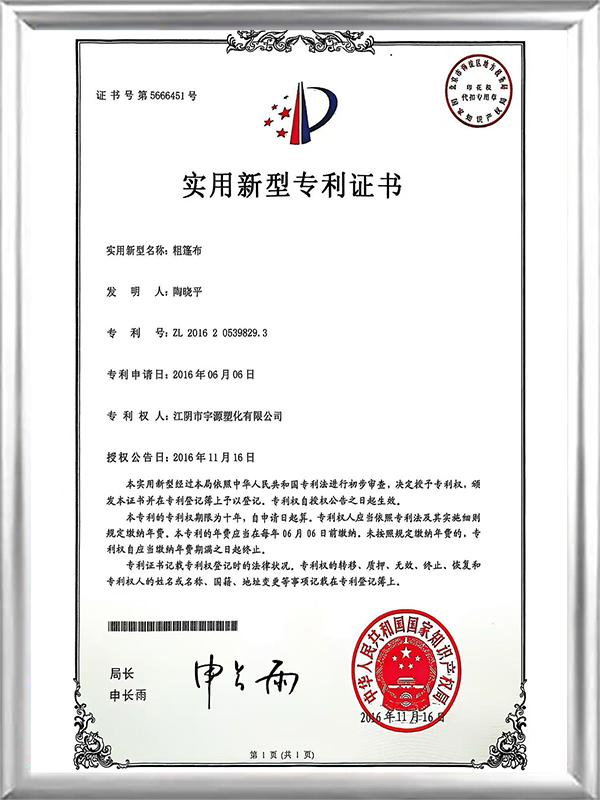
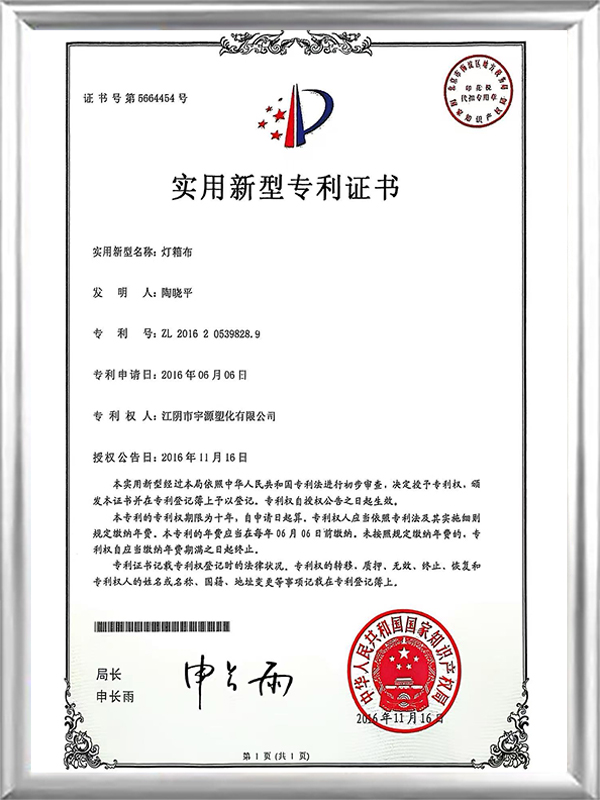
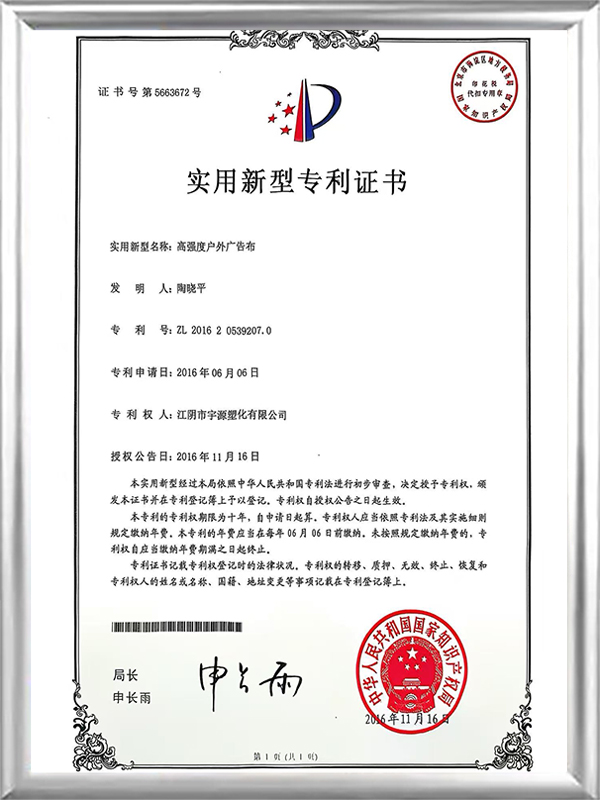
Certificate Of Honor
Message Feedback
Flex Banner Industry knowledge
How to Choose the Best Flex Banner Raw Material?
The global advertising landscape is dominated by vibrant, large-format visuals, and at the heart of this industry lies the humble yet critical flex banner. Its success, however, is not a matter of design alone. The performance, durability, and ultimate return on investment of any banner campaign are fundamentally determined long before the ink hits the surface—they are decided at the stage of raw material selection. Choosing the right flex banner raw material is a technical decision that balances cost, application needs, and longevity. A misunderstanding of key specifications can lead to premature fading, tearing in high winds, poor print quality, or even safety compliance issues. This definitive guide is designed to demystify the core components of flex banner materials. We will explore essential metrics like the flex banner raw material gsm chart, identify the properties that make the best flex banner raw material for outdoor advertising, delve into safety with fire resistant flex banner raw material supplier criteria, analyze factors affecting digital printing flex banner raw material price, and evaluate the realities of eco-friendly biodegradable flex banner raw material. This knowledge, drawn from decades of specialized manufacturing experience supplying markets worldwide with hundreds of millions of square meters of material annually, will empower you to make informed, value-driven decisions for your specific projects, from short-term events to multi-year outdoor installations.
Decoding Core Specifications: From GSM to Comprehensive Performance
The journey to selecting the ideal material begins with understanding its fundamental physical properties, the most basic of which is weight. In the industry, this is measured in Grams per Square Meter (GSM). This figure is far more than just a number; it is a primary indicator of the material's density, substance, and intrinsic durability. A higher GSM generally signifies a heavier, more robust fabric that incorporates more PVC coating and a stronger reinforcement scrim (usually polyester). This translates directly to better resistance against wind load, tearing, and physical abrasion. However, GSM alone does not tell the full story of performance. Two materials with identical GSM can behave differently outdoors based on the quality of the PVC compound, the UV stabilizers integrated into the mix, and the technology behind the finishing coat. Therefore, while consulting a flex banner raw material gsm chart provides an excellent starting point for matching weight to application, discerning the best flex banner raw material for outdoor advertising requires looking beyond GSM to the chemical recipe that grants resistance to sunlight, temperature extremes, and moisture.
- GSM as a Durability Proxy: Heavier GSM materials (e.g., 500+ GSM) use a thicker PVC layer and a denser scrim, creating a stiffer, more puncture-resistant product ideal for long-term billboards or harsh environments. Lighter materials (e.g., 300-400 GSM) offer cost savings and easier handling for temporary uses.
- The Role of UV Stabilizers and Additives: Premium outdoor materials are compounded with advanced UV inhibitors that absorb or reflect solar radiation, preventing the polymer chains from breaking down. This is what combats fading and embrittlement, extending the banner's visual life dramatically.
- Coating Consistency: A uniform, high-quality coating ensures not only a bright white base for vibrant prints but also consistent ink absorption and drying characteristics across the entire roll, which is critical for print quality and production efficiency.
| GSM Range | Common Description | Typical Applications | Key Performance Focus |
| 250 - 380 GSM | Lightweight, Economy | Short-term indoor events, retail promotions, disposable signage | Cost-effectiveness, flexibility |
| 400 - 500 GSM | Standard, All-Purpose | General outdoor banners, fence wraps, medium-term campaigns (6-18 months) | Balance of durability, printability, and value |
| 510 - 600+ GSM | Heavy-Duty, Premium | Long-term billboards, construction hoarding, truck covers, demanding marine use | Maximum tensile strength, wind resistance, and longevity |
Meeting Specific Needs: Safety, Printability, and Sustainability
Modern signage projects often have requirements that go beyond basic durability. Navigating these specialized needs is where partnering with a knowledgeable supplier becomes crucial. For instance, safety regulations in many public spaces, exhibitions, and construction sites mandate the use of fire resistant flex banner raw material. A reputable fire resistant flex banner raw material supplier will provide materials that have been independently tested to recognized standards (like NFPA 701 or BS 5867), ensuring they resist ignition and limit flame spread. Simultaneously, the explosion of digital printing technology has made print quality a top priority. The digital printing flex banner raw material price is influenced by the sophistication of its coating, which must be engineered for optimal ink adhesion, color gamut, and fast drying for solvent, eco-solvent, and latex inks. Furthermore, the growing emphasis on environmental responsibility has pushed the industry toward innovative solutions like eco-friendly biodegradable flex banner raw material, which is designed to break down under specific landfill conditions after its useful life, offering a more sustainable end-of-life scenario.
- Fire Resistance Verification: Always request certified test reports from suppliers. True fire-retardant materials have additives compounded throughout, not just a surface treatment, ensuring consistent performance.
- Print-Optimized Surfaces: For high-fidelity graphics, the material's coating must provide a consistent porosity to control ink dot gain, a bright white point for color pop, and quick drying to prevent smudging and enable high-speed production.
- Understanding Biodegradability: It is vital to have clear conversations with suppliers about the specific conditions required for biodegradation (e.g., microbial activity in landfills). Performance during use is designed to match standard materials, but disposal instructions may differ.
| Special Need | Core Material Requirement | What to Ask Your Supplier | Impact on Cost & Selection |
| Fire Safety Compliance | Integrated flame-retardant additives meeting specific test standards. | "Can you provide a test certificate for [Standard, e.g., NFPA 701]?" | Increases cost; essential for regulated applications. |
| Premium Digital Print Quality | Precision-engineered matte or gloss coating for consistent ink absorption. | "Is this material optimized for [your printer type, e.g., latex] printing?" | Higher-quality coatings command a premium but ensure superior results. |
| Environmental Responsibility | PVC compounds with biodegradation-promoting additives or recycled content. | "What are the specific conditions for biodegradation? What is the expected performance lifespan?" | May carry a price premium; aligns with green branding and compliance goals. |
The Manufacturing Philosophy: From Raw Polymer to Trusted Solution
The transition from raw polymer pellets to a consistent, high-performance roll of banner material is a complex process requiring precise control and deep expertise. It involves compounding the PVC resin with stabilizers, plasticizers, and colorants, weaving and treating the polyester scrim for optimal adhesion, and then applying the PVC coating in a uniform, controlled manner. This entire chain defines the ultimate quality. A manufacturer with decades of specialization masters this chain, ensuring that every roll delivers on promises of stable ink absorption, fast drying, excellent weather resistance, and robust aging resistance. Such a manufacturer operates not just as a vendor of stock items but as a solutions partner. This is the realm of true OEM/ODM capability—the ability to adjust formulations for specific flexibility, modify coatings for a certain printer chemistry, develop custom eco-friendly biodegradable flex banner raw material blends, or produce in bespoke widths and GSM weights to solve unique application challenges, effectively becoming an extension of your product development team.
- Vertical Control for Consistency: In-house control over compounding and coating allows for tight tolerances on GSM, thickness, and coating weight, ensuring batch-to-batch consistency that printers and end-users rely on.
- Quality as a Process: Commitment is demonstrated through certifications like ISO 9001, which frameworks a systematic approach to quality management at every stage, not just final inspection.
- The Customization Advantage: True partnership means the technical ability to collaborate on custom solutions, whether it's a unique color backing for light blockage, a special surface texture, or a material engineered for extreme cold flexibility.
Practical Procurement Guide and Decision Framework
Armed with technical knowledge, the selection process becomes a structured evaluation. Begin by defining your project's non-negotiable parameters: Indoor or outdoor? Required lifespan? Any mandatory fire safety codes? What digital printing technology will be used? What is the budget range? Use these answers to narrow down the required GSM, confirm the need for fire resistance, and specify the necessary coating type. Request physical samples and printed swatches to assess hand-feel, opacity, and print results firsthand. A credible supplier will act as a consultant in this phase, helping you navigate the trade-offs between performance features and cost to arrive at the most effective material choice for your campaign's goals, ensuring your investment is protected from the elements and delivers maximum visual impact.
FAQ
What does GSM mean, and how does it relate to banner thickness?
GSM stands for Grams per Square Meter, and it is the standard metric for measuring the weight and density of flex banner raw material. While a higher GSM generally indicates a thicker material because it uses more PVC compound and a heavier scrim, thickness can also be influenced by the specific formulation and manufacturing process. Two materials with the same GSM might have slightly different calipers. Therefore, GSM is a more reliable indicator of overall substance and durability than thickness alone. Always refer to a detailed flex banner raw material gsm chart from your supplier to match the weight to your application's demands.
How can I verify if a material is truly fire resistant?
Verification is critical when sourcing from a fire resistant flex banner raw material supplier. Do not rely on claims alone. You must request and review the official test certificate from an accredited laboratory. Look for certifications against internationally recognized standards such as NFPA 701 (USA) or BS 5867-2 (UK). The certificate should clearly state the specific standard the material passes. Reputable suppliers will have this documentation readily available and will be transparent about the scope and validity of their fire resistance ratings.
Why is there a significant price difference between digital printing banner materials?
The digital printing flex banner raw material price is dictated by several factors. The primary drivers are the quality and amount of raw PVC compound used (affecting GSM and durability), the cost and technology of the specialized printing coating, and the inclusion of performance additives like UV stabilizers or fire retardants. A cheaper material often uses a lower-grade PVC blend, a thinner or less consistent coating, and fewer additives, which can lead to issues like poor ink adhesion, color fading, and shorter outdoor life. Investing in a higher-quality material ensures better print results, longer campaign life, and fewer reprints, offering better long-term value.
Is biodegradable flex banner material as durable as regular PVC for outdoor use?
High-quality eco-friendly biodegradable flex banner raw material is formulated to match the performance of conventional PVC during its intended service life. The biodegradable additives are designed to remain inactive until the material is disposed of in a specific microbial-rich landfill environment. For typical outdoor advertising lifespans of 1 to 3 years, you can expect comparable resistance to weather, tearing, and UV exposure. It is essential to discuss your specific project requirements with the supplier to ensure the chosen biodegradable grade meets all necessary performance criteria for your application.
What is the best all-around flex banner material for general outdoor advertising?
For most general outdoor advertising applications requiring a balance of durability, print quality, and cost-effectiveness, a material in the 400-500 GSM range is considered the optimal choice. This weight class provides sufficient strength to withstand typical wind and weather for 6-18 months. To qualify as the best flex banner raw material for outdoor advertising in this range, it should also feature a high-quality matte or gloss coating optimized for digital printing and contain UV stabilizers to prevent rapid fading. Always supplement this general advice with a review of your local climate conditions and specific installation method.
Get In Touch
Looking for a reliable banner material supplier?
Let’s start your project today

We are a modern advertising material manufacturer and Flex Banner Raw Material Factory integrating R&D, production and sales, and our products are exported to Southeast Asia, South America...
since 2004
Office Address
Add : NO.5 Baishe West Road, Zhouzhuang town , Jiangyin city, Jiangsu Province, ChinaFollow Us
Copyright © 2025 by Jiangyin YUYUAN Plasticizing Co., Ltd. ALL Rights Reserved. Wholesale PVC Flex Banner Suppliers
