English
 русский
 Français
 عربى
عربى Español



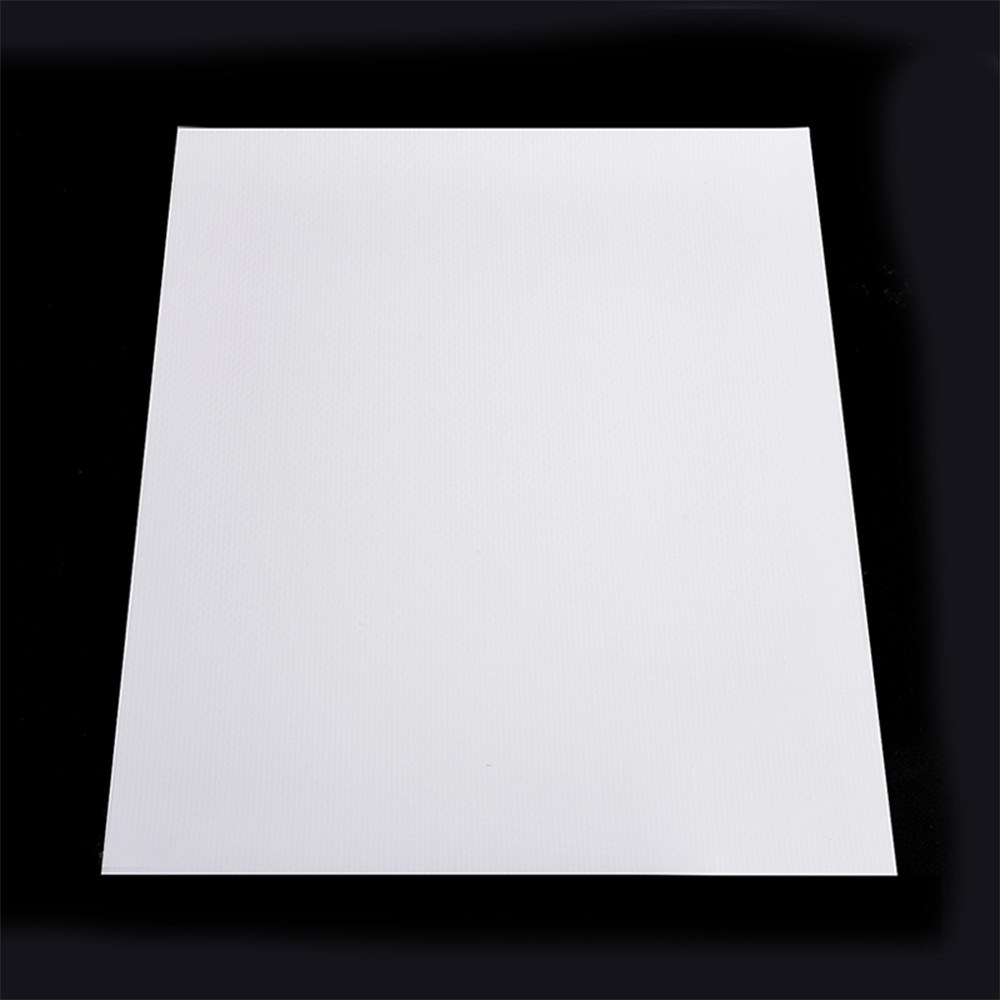
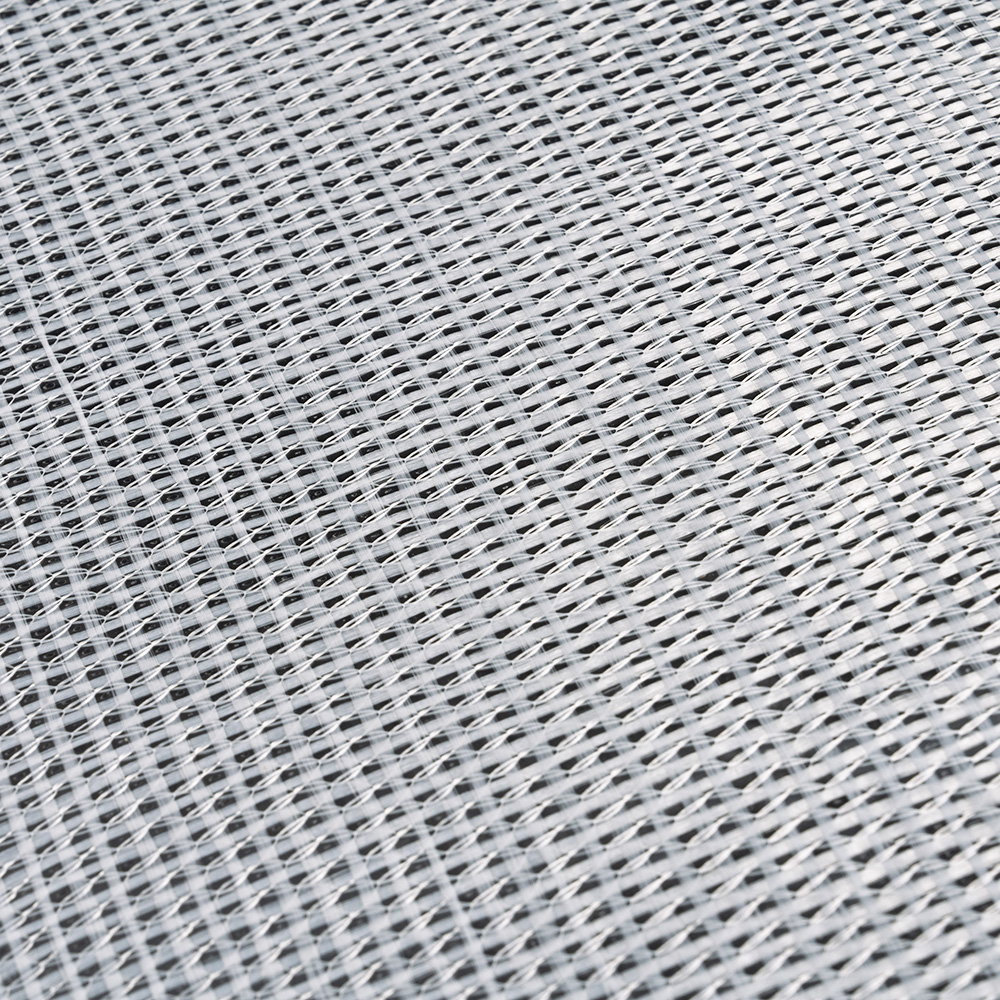
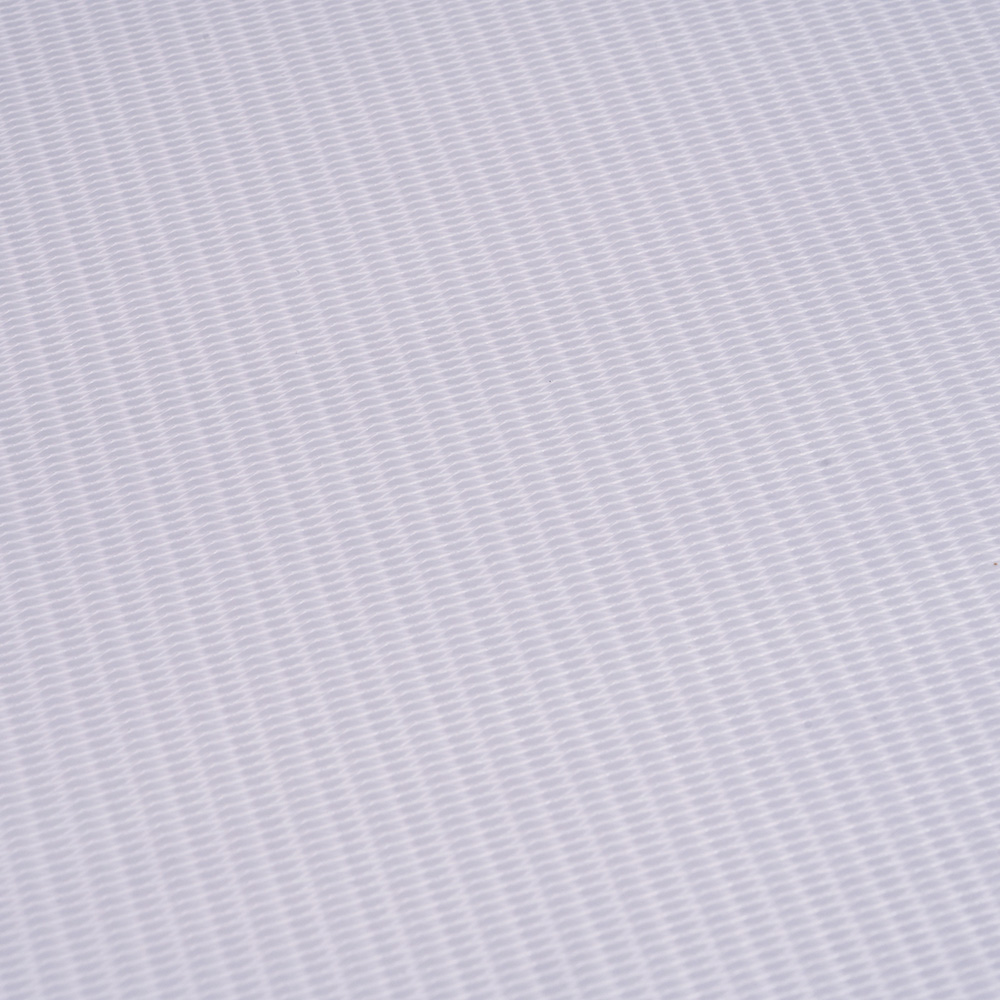
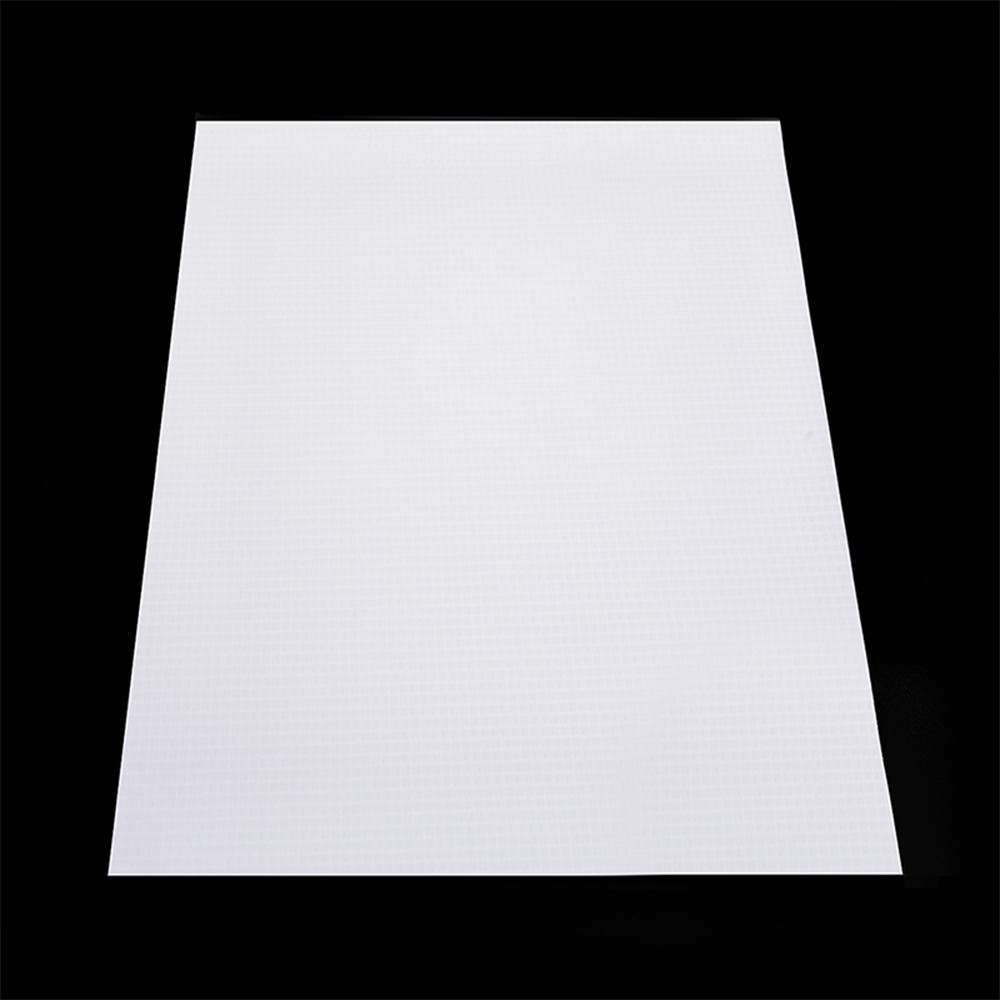
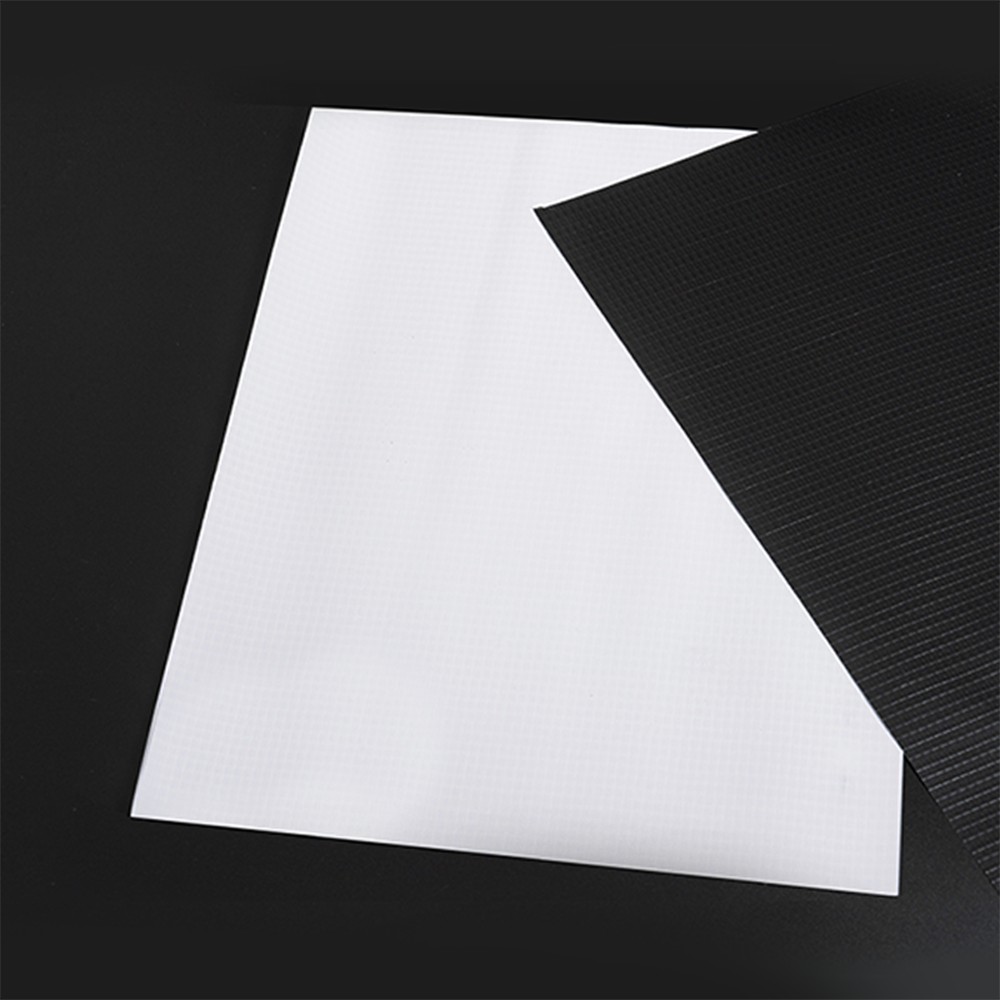
Introduction Advertising banners are a staple at events, helping to draw attention and convey messages effectively. However, selecting the right banner material is crucial to ensure that it performs well throughout the duration of the event. Durability and Weather Resistance One of the first factors to consider is the durability of the banner material. Events, especially outdoor ones, expose banners to various environmental factors, including wind, rain, and direct sunlight. If you choose a material that isn’t durable enough, your banner could fade, tear, or degrade quickly. Types of Materials for Durability Vinyl: One of the most common materials for outdoor banners, vinyl is highly durable, weather-resistant, and suitable for long-term use. Polyester Fabric: Known for its light weight, polyester is also durable and resistant to wrinkles, making it a good option for indoor events. Mesh Banners: These are ideal for windy conditions as they allow air to pass through, reducing the likelihood of damage. Print Quality and Visual Impact The material you choose will have a direct effect on the print quality of your design. The smoother the material, the better the resolution of your printed graphics. It’s important to consider how the banner material will showcase your logo, artwork, or message. Common Materials for Optimal Print Quality Premium Vinyl: Often used for high-quality, full-color prints, premium vinyl offers vibrant colors and crisp text. Fabric: Fabric banners, particularly those made from polyester or satin, tend to provide rich, detailed prints that are ideal for indoor displays. Cost and Budget Considerations The cost of advertising banner materials can vary widely based on the type of material, size, and printing requirements. It’s essential to balance your budget with the performance needs of the banner. While materials like vinyl and polyester may come at a higher initial cost, their durability and reusability could offer long-term value. Budget-Friendly Options Standard Vinyl: More affordable than premium vinyl, this material still offers durability and good print quality, making it a solid choice for short-term events. Non-Woven Fabric: Lightweight and inexpensive, this material is suitable for low-budget indoor events where durability is less of a concern. Weight and Portability For many events, the ease of transporting and setting up banners is important. Heavy materials can be cumbersome to carry and may require additional support. Lighter materials are often easier to handle and set up but may sacrifice some durability. Comparing Material Weight Lightweight Options: Non-woven fabric and mesh banners are lightweight, making them easy to transport. Heavier Options: Vinyl and canvas tend to be heavier, but they provide more stability and durability, especially in outdoor settings. Size and Customization Flexibility The material you select should accommodate the size of your banner and any customization options, such as grommets, hems, or reinforced edges. For large banners or custom shapes, it’s crucial to select a flexible material that can be cut or sewn to meet your specifications. Materials That Offer Customization Flexibility Canvas: Canvas is a versatile material that can be customized easily, making it perfect for large banners. Polyester Fabric: Fabric materials are highly customizable and can be sewn, hemmed, and finished in various ways. Environmental Impact and Sustainability With an increasing emphasis on sustainability, many businesses are considering eco-friendly banner materials for their events. Look for materials that are recyclable or made from sustainable sources, as these options can help reduce the environmental impact of your event. Eco-Friendly Banner Materials Recycled Polyester: Some fabrics are made from recycled materials, making them a more sustainable option. Eco-Friendly Vinyl: There are options available that feature PVC-free or biodegradable materials. Indoor vs. Outdoor Use Whether your banner will be displayed indoors or outdoors will significantly influence the material choice. Outdoor events generally require tougher materials that can withstand weather elements, while indoor events can make use of lighter materials. Indoor-Friendly Materials Fabric: Polyester fabric is ideal for indoor use as it’s lightweight and offers excellent print quality. Foam Core Boards: For events inside, foam core boards are lightweight and provide a polished, high-quality appearance. Outdoor-Friendly Materials Mesh: Mesh banners allow airflow, which is useful for preventing the banner from tearing during windy conditions. Vinyl: Perfect for outdoor settings, vinyl banners are highly durable and weather-resistant. Conclusion Choosing the right material for advertising banners is critical to ensuring that your banner performs well during the event, provides clear visibility, and stands the test of time. Durability, weather resistance, print quality, cost, and environmental impact should all be taken into account when making your selection. By considering these factors, you’ll be able to choose the best advertising banners material that aligns with your specific needs. FAQ 1. What is the best material for outdoor banners?Vinyl and mesh materials are excellent choices for outdoor banners due to their durability and resistance to weather conditions. 2. How can I improve the print quality of my banner?Choose a smooth, high-quality material like premium vinyl or polyester fabric to ensure crisp, clear prints. 3. What is the most cost-effective banner material?Standard vinyl and non-woven fabric offer a good balance of cost, durability, and print quality, making them great budget options. 4. Can I reuse my advertising banners?Yes, if you select durable materials like vinyl or polyester, you can reuse your banners for multiple events. 5. Are there eco-friendly banner materials available?Yes, options such as recycled polyester and PVC-free vinyl are available for those looking for sustainable choices.