English
 русский
 Français
 عربى
عربى Español



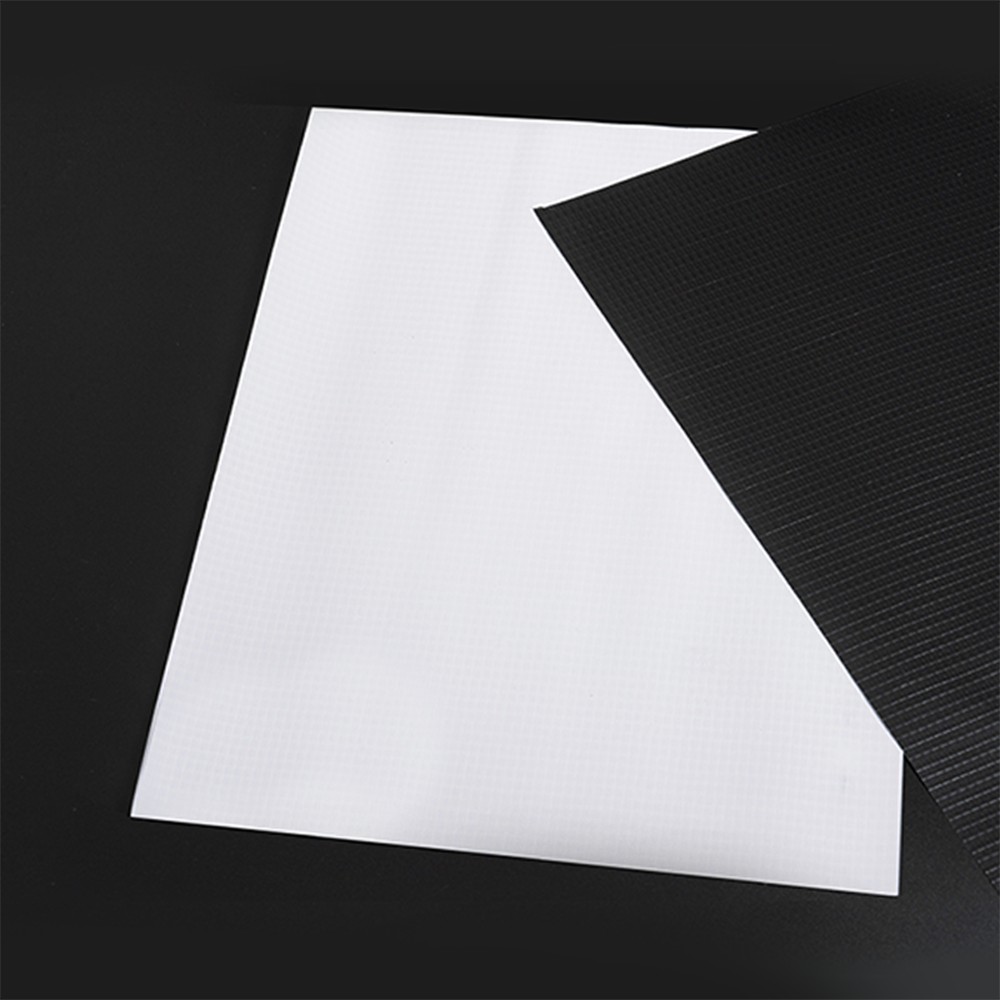
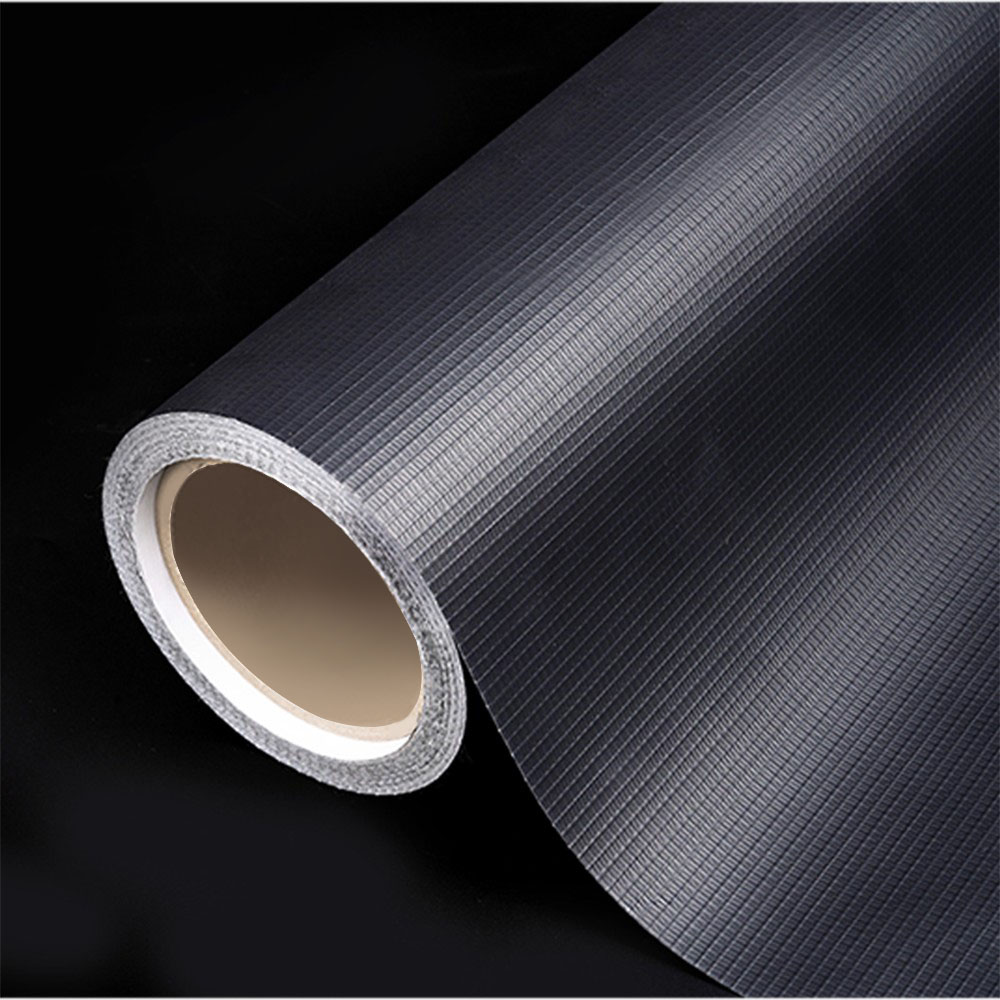
Introduction Banners are an essential tool in various industries, from advertising to event marketing. The materials used for these banners significantly impact their performance, durability, and suitability for specific applications. Two common types of banners are waterproof coated banners and non-coated banners. While both serve as effective promotional tools, they have distinct differences that can affect their use in different environments. Understanding these differences can help you make informed decisions when choosing the right banner for your needs. Material Construction Waterproof Coated Banners Waterproof coated banners are typically made from durable materials such as PVC (polyvinyl chloride) or polyester, which are then coated with a waterproof layer. This coating provides a protective barrier against moisture, making these banners suitable for outdoor use, even in harsh weather conditions. The coating process often involves adding a layer of laminate or varnish, which enhances the banner’s resistance to water and UV damage. Key Features: Made from PVC or polyester. Waterproof coating layer for enhanced durability. Suitable for outdoor environments. Resistant to UV rays and weathering. Non-Coated Banners Non-coated banners, on the other hand, are usually made from basic fabric materials like vinyl or woven polyester without any additional protective layers. These banners are more affordable but lack the water resistance of coated banners. Non-coated banners are typically used for indoor applications or in areas with limited exposure to the elements. Key Features: Made from vinyl or woven polyester. No protective waterproof coating. Suitable for indoor use or sheltered environments. Lower durability compared to coated banners. Durability and Longevity Waterproof Coated Banners One of the most significant advantages of waterproof coated banners is their superior durability. The waterproof layer protects the banner from moisture, rain, snow, and other environmental factors that can degrade the material over time. These banners are also highly resistant to UV radiation, which can cause fading and damage to the print. As a result, waterproof coated banners are often used for long-term outdoor displays, such as billboards, event signage, and trade show displays. Advantages: Long-lasting in harsh weather conditions. UV resistant, preventing fading and color loss. High durability and resistance to moisture. Non-Coated Banners Non-coated banners are less durable compared to waterproof coated banners. The lack of a waterproof layer makes them more susceptible to damage from moisture, rain, or humidity. Over time, these banners may show signs of wear, such as fading, tearing, or staining. Non-coated banners are better suited for indoor or short-term outdoor applications where they won’t be exposed to the elements for extended periods. Disadvantages: Vulnerable to damage from moisture and weather. Can fade quickly when exposed to sunlight. Shorter lifespan, especially in outdoor environments. Cost Considerations Waterproof Coated Banners Waterproof coated banners tend to be more expensive than non-coated banners due to the additional coating process and the higher quality materials used. However, the higher initial cost is often offset by the banner’s extended lifespan and better performance in outdoor environments. For businesses that require banners to be displayed outdoors for extended periods, the extra investment in waterproof coated banners can be worthwhile in the long run. Cost Factors: Higher initial cost due to coating process and premium materials. Cost-effective for long-term outdoor use. Non-Coated Banners Non-coated banners are generally more affordable, making them a cost-effective option for businesses with short-term needs. While these banners may require more frequent replacement due to wear and tear, they offer an economical choice for indoor displays or temporary outdoor use. If budget constraints are a concern, non-coated banners can be an attractive option for short-term applications. Cost Factors: Lower initial cost compared to coated banners. Suitable for short-term applications or limited exposure to the elements. Applications and Use Cases Waterproof Coated Banners Waterproof coated banners are ideal for a wide range of outdoor applications. Their resistance to weather conditions makes them suitable for events, exhibitions, trade shows, outdoor advertising, and more. These banners are commonly used for advertising billboards, street banners, stadium signage, and other long-term outdoor displays. Their ability to withstand the elements ensures that the prints remain intact and legible for extended periods, even in challenging weather conditions. Common Applications: Outdoor advertising (billboards, street banners). Event signage (trade shows, festivals, exhibitions). Stadium or sports venue displays. Long-term outdoor promotions. Non-Coated Banners Non-coated banners are better suited for indoor applications or temporary outdoor use. Their lower cost makes them ideal for short-term events, indoor trade shows, or situations where the banner will not be exposed to harsh weather. These banners are also commonly used for seasonal promotions or in controlled environments where water resistance is not a priority. Common Applications: Indoor trade shows and events. Seasonal promotions. Temporary outdoor use (protected from rain and extreme conditions). Short-term advertising. Environmental Performance Waterproof Coated Banners While waterproof coated banners offer excellent protection against moisture and UV rays, they are typically made from synthetic materials like PVC, which can have a higher environmental impact compared to natural fibers. However, some manufacturers have started using more eco-friendly coatings or recyclable materials to reduce the environmental footprint of waterproof banners. When choosing waterproof coated banners, it’s important to consider the material’s recyclability and the manufacturer’s sustainability practices. Environmental Considerations: Made from synthetic materials like PVC. Limited recyclability in some cases. Some eco-friendly alternatives are available. Non-Coated Banners Non-coated banners are often made from more natural or less environmentally harmful materials. While they may lack the durability of coated banners, they can be a better choice for environmentally-conscious consumers. Additionally, non-coated banners may be easier to recycle, depending on the material used. Environmental Considerations: Made from natural or less harmful materials. Easier to recycle in some cases. Less durable, requiring more frequent replacements. Comparison Table Feature Waterproof Coated Banner Non-Coated Banner Material PVC, Polyester Vinyl, Woven Polyester Waterproofing Yes No Durability High Medium UV Resistance Yes No Cost Higher Lower Applications Outdoor, Long-Term Indoor, Short-Term Environmental Impact Moderate to High Lower Lifespan Long Short FAQ 1. Are waterproof coated banners suitable for indoor use?Yes, waterproof coated banners can be used indoors, but they are specifically designed for outdoor environments, offering superior protection against the elements. 2. Can non-coated banners be used for outdoor advertising?Non-coated banners are best suited for short-term outdoor use or sheltered environments, as they lack water resistance and may degrade quickly in harsh weather. 3. How long do waterproof coated banners last?Waterproof coated banners can last several years, especially when exposed to outdoor conditions, thanks to their UV and moisture resistance. 4. Are there any eco-friendly options for waterproof coated banners?Yes, some manufacturers offer waterproof coated banners made from eco-friendly materials or recyclable options, though these may be more expensive. 5. What is the main disadvantage of non-coated banners?The main disadvantage of non-coated banners is their vulnerability to moisture and UV damage, which can shorten their lifespan and make them less suitable for long-term outdoor use.